
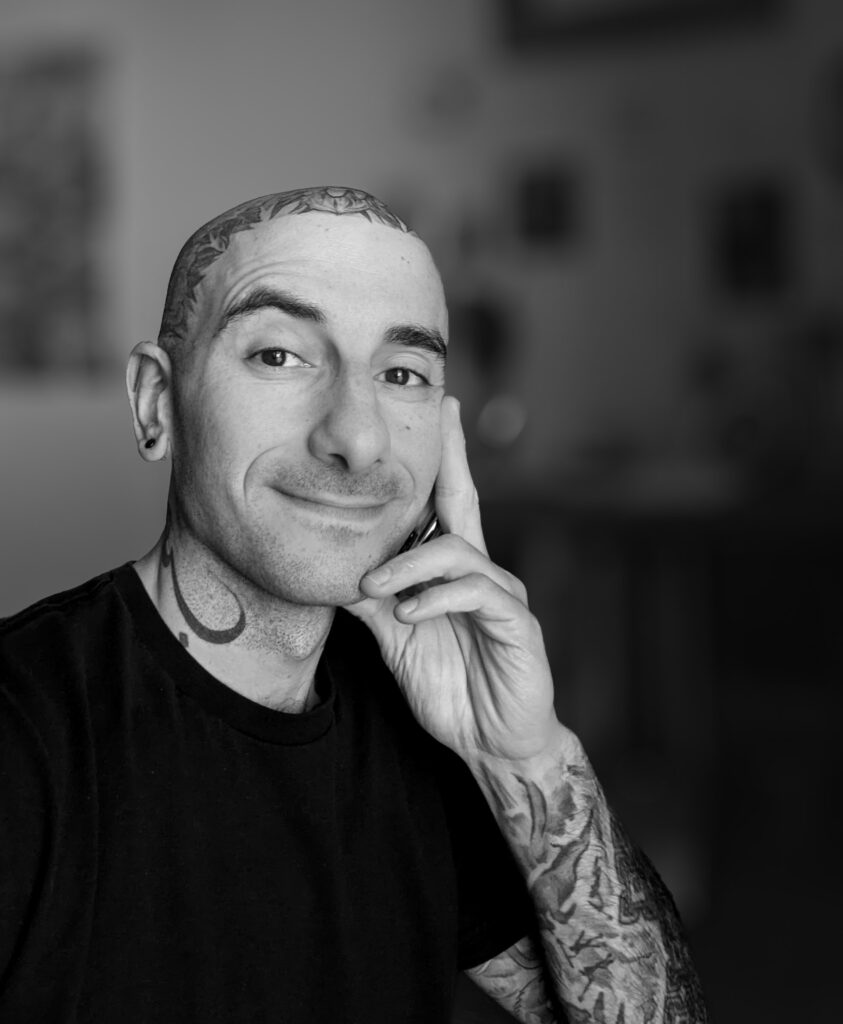
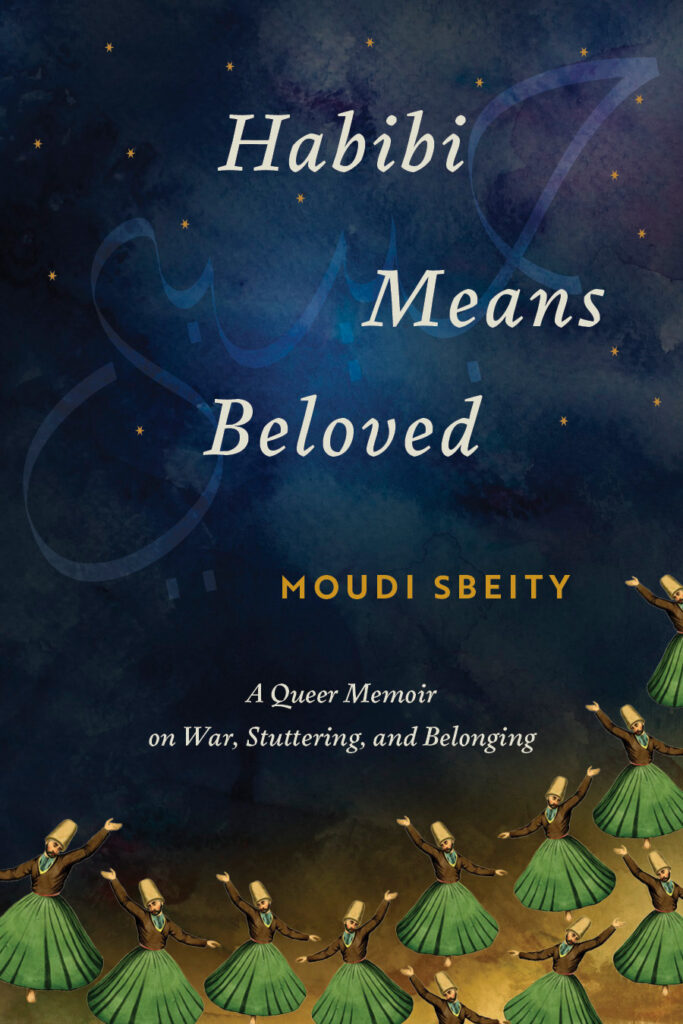
Moudi Sbeity is a first-generation Lebanese-American writer whose debut memoir, Habibi Means Beloved (University of Utah Press, late 2026), traces a life lived at the intersection of war, displacement, and difference. Born into a Muslim family in a small Lebanese village, Sbeity survived the conflicts that fractured their homeland before arriving in Utah as an eighteen-year-old evacuee. Habibi Means Beloved interweaves personal narrative, Sufi mysticism, and Lebanese heritage into a story of resilience, disconnection, and reconciliation — an invitation, as Sbeity puts it, to recognize ourselves and one another as already beloved.
Sbeity’s path to the page has been anything but conventional. They transformed the anonymity of survival into public advocacy as a named plaintiff in Kitchen v. Herbert, the landmark case that secured marriage equality across the 10th Circuit, and as founder of Salt Lake City’s beloved queer-friendly restaurant Laziz Kitchen. Yet behind those public triumphs, Sbeity felt a quieter pull back toward their roots — toward writing and poetry as a way home. As a person who stutters, they’ve come to see language itself as a practice of fluency and self-expression, themes that run throughout their work. A companion poetry collection, Alhamdulillah Anyway, is forthcoming around the same time, and their poems have appeared in anthologies alongside Nan Seymour, Terry Tempest Williams, and James Crews.
Habibi Means Beloved is both intimate and universal — a memoir for anyone who has ever wondered where they belong. Hear Moudi Sbeity in conversation at the Salt Lake Book Festival, where they’ll share the story behind the book and what it means to finally come home to it.